What’s the Difference Between Section 5A and Section 4 Offences?
In the complex world of UK road traffic law, drug-driving offences under the Road Traffic Act 1988 often confuse motorists and even some legal professionals. Two common terms surface often: Section 5A and Section 4 offences. Understanding their distinctions, particularly under the lens of threshold offence vs impairment, is crucial for anyone wanting to be legally savvy.
This post unpacks the key differences between Section 5A specified limit offences and Section 4 “unfit through drugs” offences, focusing on THC blood limits versus impairment evidence, the statutory medical defence, and how police testing methods impact your case. We'll also touch on real-world considerations like EV charging downtime—a surprisingly risky window for drivers of electric cars managed by companies like EV Powered.
Section 5A Drug-Driving: Specified Limits & Threshold Offence
What is a Section 5A Offence?
Section 5A of the Road Traffic Act 1988 establishes fixed blood concentration limits for certain controlled drugs, including cannabis (THC). A driver commits a specified limits offence if their blood or oral fluid contains a drug concentration above these numerical thresholds.
DrugBlood LimitDescription THC (Tetrahydrocannabinol)2 micrograms per litre of bloodActive component in cannabisThis means the offence revolves around a measurable concentration of the drug, regardless of whether the driver was impaired at the time of driving or not—hence the term threshold offence.
Key Characteristics of Section 5A
- Automatic offence: Over the limit equals offence, no requirement to prove impairment.
- Reported via blood or oral fluid: Roadside swab tests increasingly used for initial evidence.
- Statutory medical defence: Available for drivers who can prove medically prescribed use, supported by evidence such as a General Medical Council (GMC)-approved prescription.
Section 4 Drug-Driving: Unfit Through Drugs
What is a Section 4 Offence?
Section 4 addresses driving whilst “ unfit to drive due to the influence of drugs”, regardless of specific drug concentration levels. This is an impairment-based offence: the prosecution must prove your driving was affected by drugs.
This means it's not just about being “over the limit”, but demonstrating that the drugs impaired your physical or mental ability to drive safely.
Key Characteristics of Section 4
- Impairment focus: Police must show evidence you were incapable of safe driving.
- Common evidence types: Officer observations, erratic driving, failed roadside assessments.
- No fixed drug limit: Even legal or prescribed drugs can trigger charges if impairment occurs.
- Police station blood test or comprehensive medical exam: Often needed to support prosecution.
THC Blood Limit vs Impairment: Why It Matters
THC provides a good example of how Section 5A and Section 4 differ in practical terms. THC can linger in the bloodstream for days after use, long after impairment has disappeared. This is what sometimes leads to confusion about these two offences.
AspectSection 5A (Specified Limit)Section 4 (Unfit Through Drugs) Basis of Offence Measured concentration over limit (2 μg/L THC) Proven impairment affecting safe driving Proof Required Blood or oral fluid test results Police observations, specialist reports, blood/urine tests Relevance of Medical Defence May use GMC-sanctioned prescription as defence Less likely; impairment usually overridesThe NHS England explains that cannabis metabolites stay detectable well beyond the impairment window. This is why relying solely on being “not impaired” won't prevent a Section 5A conviction if your THC level is over the specified limit.
Statutory Medical Defence and Burden of Evidence
With Section 5A, a statutory medical defence is available, but it comes with strict conditions:
- You must have a valid prescription issued by a GMC-registered doctor evidenced by documents.
- The prescribed medication must be used as directed.
- You must prove the drug was taken for medical reasons and not just recreational use.
The burden is on the driver to provide this evidence. Without it, the prescription is no “get out of jail free card”. Providers like the General Medical Council strongly emphasize documentation and responsible prescribing to avoid legal risks.
cbpm prescription ukFor Section 4 offences, the focus is less on prescribed drugs per se and more on whether your driving was compromised. Even prescribed medications can lead to charges under section 4 if you are deemed impaired.
Roadside Swab Test vs Police Station Blood Test
Understanding testing procedures helps clarify the evidential differences between these offences.
Roadside Swab Test
- Used increasingly by police, including drug detection specialists.
- Non-invasive oral fluid sample gives quick indication of drug presence.
- Reliability is strong for initial screening but not definitive for prosecution.
- Fails or positive tests often trigger an escorted trip to a police station for blood testing.
Police Station Blood Test
- Gold standard for confirming blood drug levels, used mainly for Section 5A offences.
- More invasive and requires medical professional or trained officer to take samples.
- Blood test evidence carries significant weight because it precisely measures concentrations.
- Also used in Section 4 cases, combined with behavioural evidence.
Therefore, a roadside swab is often just the first step—it rarely results in immediate charges, but it initiates the investigation process.
EV Charging Downtime: A Legal Risk Window
Electric Vehicle (EV) drivers experience unique scenarios not common with petrol/diesel vehicles, such as downtime while charging. Companies like EV Powered highlight the growing use of rapid chargers at public and private hubs.
Consider this scenario:
- You plug in your car and head inside to pay or have a coffee, keys in your pocket.
- Nearby police spot you and suspect drug use.
- Your blood sample, taken within the legal limits of the charging window, shows THC over the 2 μg/L limit.
This scenario illustrates a critical risk window: although you aren’t actively driving, the law applies to being “in charge of a vehicle.” Being stationary at a charger with the keys on you might still qualify as “driving or in charge” under Sections 4 and 5A.
EV downtime may extend beyond your window of recent consumption, increasing the chance THC levels have risen past the Section 5A specified limit without impairment. Some drivers wrongly assume “engine off” means they are safe from drug-driving charges—this is a myth.
Summary Table: Section 5A vs Section 4
FeatureSection 5A (Specified Limit)Section 4 (Unfit Through Drugs) Offence TypeThreshold offence based on drug concentrationImpairment-based offence Must ProveDrug concentration exceeds legal limitDriving ability impaired by drugs Evidence TypeBlood or oral fluid tests (roadside swab, police blood test)Observations, physical/mental tests, possible blood test Medical DefenceAvailable with valid prescription and evidenceLess likely effective if impairment shown Applicability to EV DriversYes, even when stationary but in charge of vehicleYes, requires evidence of impairmentPractical Advice for Drivers: Don’t Assume Prescription or Engine-Off Protects You
Two common misconceptions confuse many drivers:
- “If my engine is off, I can’t be done for drug-driving.” False. Intervention can occur so long as you are “in charge” or in control, including sitting in a parked car at a charge point.
- “My prescription means I’m automatically legal.” False. Only certain prescribed drugs with evidence via GMC-approved documentation provide a statutory defence under Section 5A. Impairment alone can trigger Section 4 offences.
Police use roadside swab tests to detect drugs but rely on blood tests for formal prosecution. If stopped, cooperation is advisable, but always be aware of your rights and seek specialist legal advice if charged.
Final Thoughts
The distinction between Section 5A and Section 4 drug-driving offences rests Check out here primarily on drug concentration versus impairment. Both statutes aim to keep UK roads safe but approach the problem from different angles.

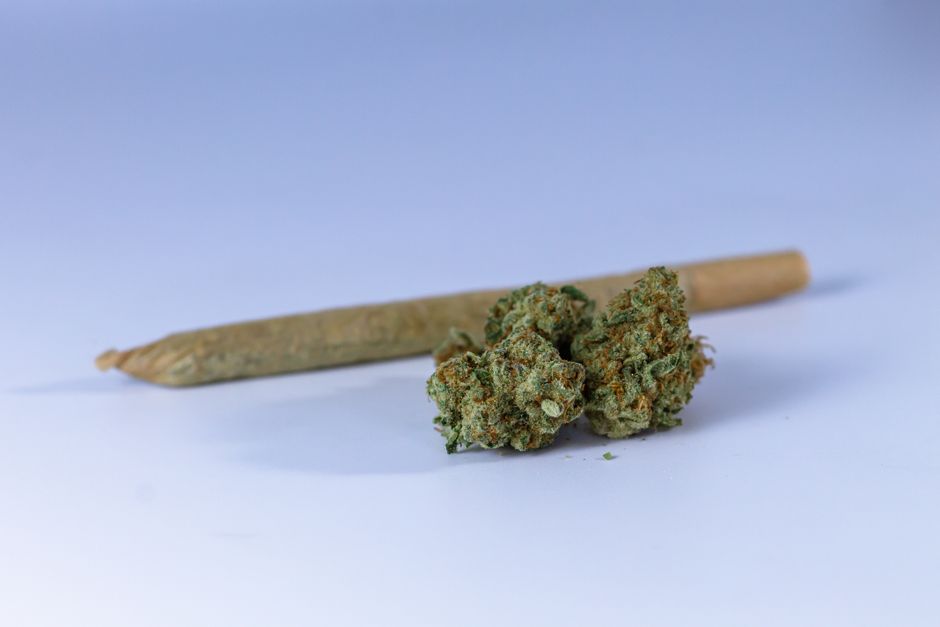
EV drivers, cannabis users, and consumers of prescribed medication should especially understand these differences to avoid unintended legal pitfalls during activities like charging downtime or prescribed cannabis use.
For detailed guidance on your specific situation, always consult a solicitor experienced in drug-driving law and keep prescriptions verified by GMC standards. Knowledge and preparation are your best defences.
```